

Table of Contents
Every year, approximately six million car crashes occur in the United States. Every car accident is different, and the injuries victims can sustain can vary from minor scrapes and bruises to much more severe.
Whiplash is a common injury resulting from a car accident. Each year, more than 3 million new cases of whiplash occur. It can even happen with crash speeds below 12 mph. Whiplash is more than just soreness, but severe swelling that should be addressed.
I met with Harry Brown personally and he sat with me for 20 minutes at our initial consultation to explain everything. He even called after my surgery to see how I was doing. I met with him several more times after that and was kept informed about my case throughout. I highly recommend Harry Brown as an attorney.
STEVEN SWEENY, SAVANNAH

What is Whiplash?
Whiplash is a soft-tissue injury that affects the ligaments, tendons, and surrounding tissues of the neck. It is also referred to as a neck strain or sprain. Muscle tissues are essential to stabilize and support your head: whiplash occurs when they are stretched beyond a reasonable range of motion. This type of injury is very common in car accidents.
After a blunt force by another car, your head could move backward and forward suddenly and violently. This creates a whip-like motion that can stretch and sprain the soft tissues in your neck and result in whiplash
Related post: Who’s at fault for a car accident caused by weather conditions
Causes of Whiplash
Auto accidents are the most common cause of whiplash injuries. These are the type of car collision incidents in which whiplash injuries most commonly occur.
● Rear-End Car Accidents
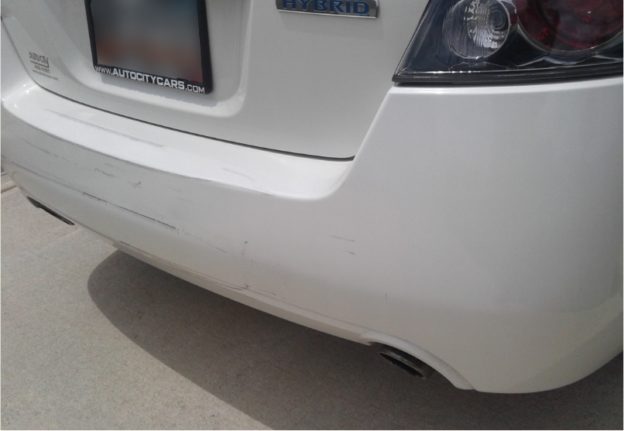
A rear-end accident is the most common for causing whiplash. This type of crash occurs when a car is hit from behind, causing a sudden jolt forward and backward, causing the same motion for the passengers, which can cause potential soft tissue damage of the neck and cervical spine.
● Head-on crashes
A head-on collision, or also known as frontal crash, occurs when both vehicles hit the front end of each other’s car. Due to the nature of both cars going from a motion state to a sudden impact and stop, whiplash can occur.
● Side Crashes and Side Swipes
Side-impact and sideswipe crashes could also result in whiplash because of the direction the vehicles are sent. These incidents can also cause an abnormal movement in the cervical spine, which can cause a level of soft tissue damage depending on the speeds involved in the collision.
[xyz-ips snippet=”Related-Post”]
Symptoms of Whiplash
Whiplash-related symptoms can appear the moment a car crash occurs, or it can happen gradually over the course of several hours, days, weeks, or even months after the accident. As the head gets thrown upon impact, the following symptoms of whiplash can occur:
● Neck Pain and Stiffness
● Headache
● Dizziness
● Shoulder or Back Pain
● Arm Pain and Weakness
● Jaw Pain
● Visual Disturbances
● Tinnitus
● Burning or Prickling Sensation
Motor vehicle accident victims can also experience emotional and mental symptoms of whiplash, including depression, frustration, anxiety, stress, anger, drug dependency, post-traumatic stress disorder (PTSD), and insomnia.
Tips to Prevent Whiplash
● Adjust your Headrest
Proper usage of the headrest of your seat carries the most significant impact in avoiding whiplash. Most cars include well-designed headrests that play a substantial role in helping you reduce whiplash symptoms, especially when they are adjusted correctly.
When riding a vehicle, the headrest should be placed directly behind your head. The top of the restraint should align to the top of your head or ears. If the driver or passenger is tall, the headrest needs to be raised to be as close to the top of the head as possible.
In cases where the occupants are too short, it’s perfectly fine for the headrest to be over the top of their heads as long as it’s lowered as far as possible.
● Sit Upright
There should also be as little space as possible between the back of your head and the headrest. Make sure you sit back in your seat until there minimum space between the headrest and the back of your head. As a rule of thumb, the headrest should have no further space from your head than two inches.
● Always wear your seatbelt
Seatbelts complement the work done by the headrests as it keeps the entire body in place during a crash. While it doesn’t prevent the head from jostling, seatbelts can help keep the torso in place. The reduction of jarring and strain minimizes the effects of whiplash despite your car being hit.
● Purchase a car with an excellent rear-crash safety rating
The actual vehicle you’re sitting in when a crash occurs can make a life-or-death difference, so make sure that your car meets the minimum safety requirements set by independent organizations such as the National Highway Traffic Safety Administration (NHTSA) and the Insurance Institute of Highway Safety (IIHS).
These organizations have requirement tests that evaluate the safety aspects of most of the new cars sold to show consumers how well each vehicle tested is likely to protect you in a collision.
● Don’t tailgate
Following the car in front too closely reduces the time you have to react when the driver in front decides to suddenly hit the brakes and can result in a rear-end car accident.
Drivers must maintain a safe distance from a vehicle in front of them, considering the speeds of the cars and the conditions of the road. A good rule of thumb is to allow 10 feet of distance for every increment of 10 mph you are driving.
If you need an attorney that you can rely on after a horrific car accident, don’t wait another minute and contact Brown Firm now. The Personal Injury Attorneys at the Brown Firm will be willing to assist you in any legal matters relating to these accidents.
Contact the Brown Firm today at (912) 200-9755 or visit our website at www.www.harrybrownlaw.com to learn more about our services or receive a free legal consultation. What are you waiting for? Have a free consultation now!
Ready to Talk to a Lawyer Who Has Your Back?
Our Recent Personal Injury Articles
How Hiring a Lawyer Can Increase Your Potential Settlement Offer in a Personal Injury Case
If you were injured in an accident in Georgia or South Carolina that wasn’t your fault, learn tips for choosing a quality personal injury attorney.

How to Choose the Right Atlanta Personal Injury Attorney: 6 Tips
If you were injured in an accident in Georgia or South Carolina that wasn’t your fault, learn tips for choosing a quality personal injury attorney.
Can a Car Accident Make Scoliosis and Other Back Conditions Worse?

Winning for George After the Insurance Company Refused to Pay a Dime
George was seriously injured when a reckless, intoxicated driver rear-ended him. Find out how The Brown Firm helped him get the compensation he deserved.

Winning $650,000 for Woman Rear-Ended by Commercial Truck
LT was rear-ended by a commercial vehicle weighing one ton more than her car. Learn how The Brown Firm secured fair compensation after an insulting offer.
When Do You Need a Motorcycle Accident Lawyer, and Why?
Motorcycle accidents are often more complicated than you might expect. Find out how a lawyer can help you pursue fair compensation.

Understanding the Medical Malpractice Statute of Limitations Georgia Uses
Medical malpractice cases can be complicated, including the deadline of the statute of limitations. Learn the complexities and how an attorney can help.

What to Do if You Are a Passenger Injured in a Car Accident in Georgia
Were you injured in a car accident as a passenger? You are likely entitled to compensation, but getting it may be complicated. Here’s what to do.

Hip Pain After Car Accident? Here’s What to Do
If you’re suffering from hip pain after a car accident, follow these steps to protect your long-term health and financial recovery you may be entitled to.

Survival Action Claims in Georgia: What Families Need to Know
Survival actions tend to get confused with wrongful death claims. Learn how they’re different, which might be best for your family, and how a lawyer can help.
CONTINUE READING

View All Articles
Contact The Brown Firm
Get the Answers and Compensation You Deserve
You’ll notice the difference when you contact The Brown Firm! Our local dedicated attorneys want to help you recover and rebuild.
Schedule your free consultation by calling (800) 529-1441 or completing our simple online form.
[gravityform id=”3″ title=”false” description=”false” ajax=”true”]